JOURNAL #11 – A PROMPT

The clothing of the puritans and royalists factions differed vastly as could be expected because they stood for completely different sides during the English Civil War. The English Civil War was about removing the monarchy and replacing it with the Commonwealth. The style difference between these two group was based on their values and what they stood for. The royalists for example were supporting the monarchy and the lavish lifestyle that it stood for inturn there clothing was more refined and bold both in colors and style. They looked like royality with their decorated and colorful clothing. There clothing had ruffs, furs, patterns, and was highly decorated.

The puritans however dressed much differently than the royalist because they were supporting the common people and opposing the royalty. They were a Calvinist sect and believed that simple clothing showed that you had a pure heart. These beliefs guided and highly influenced their clothing style. The puritans wore simple clothing that was bland or dark in color. The shapes and cuts of their clothing were much more simple and reserved than the royalists. None of their clothing had ruffs, feathers, bold colors, and furs.
JOURNAL #10 – RENAISSANCE MORGUE

https://lowelldesigns.com/the-italian-renaissance/
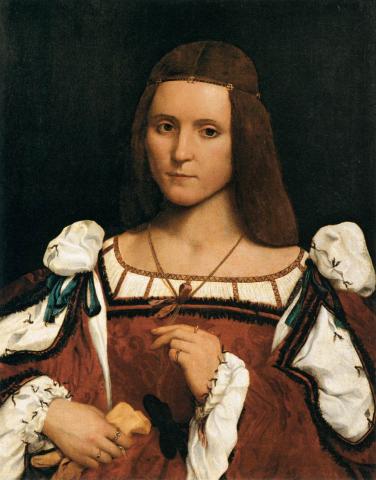
This is a painting by Giovanni Francesco Caroto of a woman from 1505. This painting shows how puffing and slashing were used so that the lining fabric can be seen and the woman’s sleeves are detachable since they are tied to the bodice of her dress. 
https://www.britishmuseum.org/research/research_projects/all_current_projects/jewellery_and_men/early_modern_period_jewellery.aspx
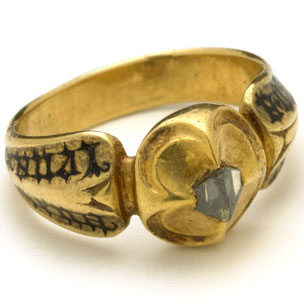
This golden ring is from 15th century Italy. The diamond in this ring is cut into a pyramid shape because it was considered a symbol of power during the Italian Renaissance. There is also enamling on the sides of the ring.
https://www.npg.org.uk/collections/search/portrait/mw05205/Sir-Walter-Ralegh-Raleigh-Walter-Ralegh
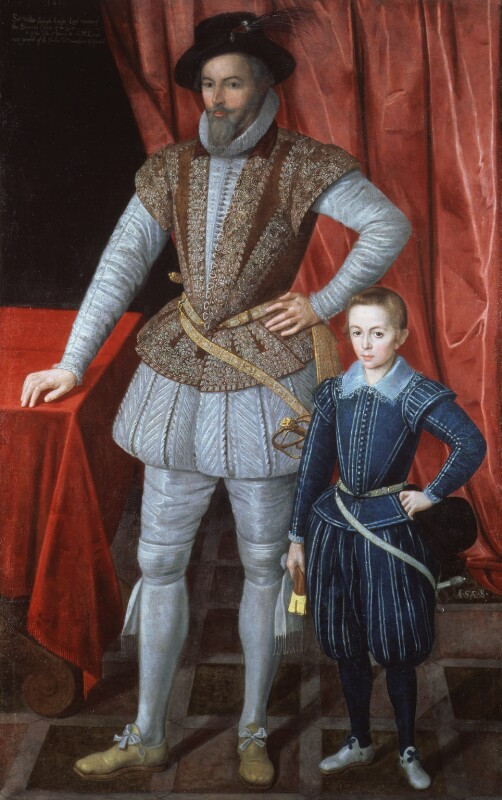
This painting from 1602 depicts Sir Walter Raleigh and his son. Both him and his son are wearing jerkins that have sleeveless bodices and a the bottom flares out like a peplum shape. Sir Walter is also wearing breeches that are puffed out.

JOURNAL #8 – MIDDLE AGES MORGUE

https://www.metmuseum.org/art/collection/search/464029?&searchField=All&sortBy=Relevance&deptids=17&ao=on&ft=Byzantine+jewelry&offset=0&rpp=80&pos=3
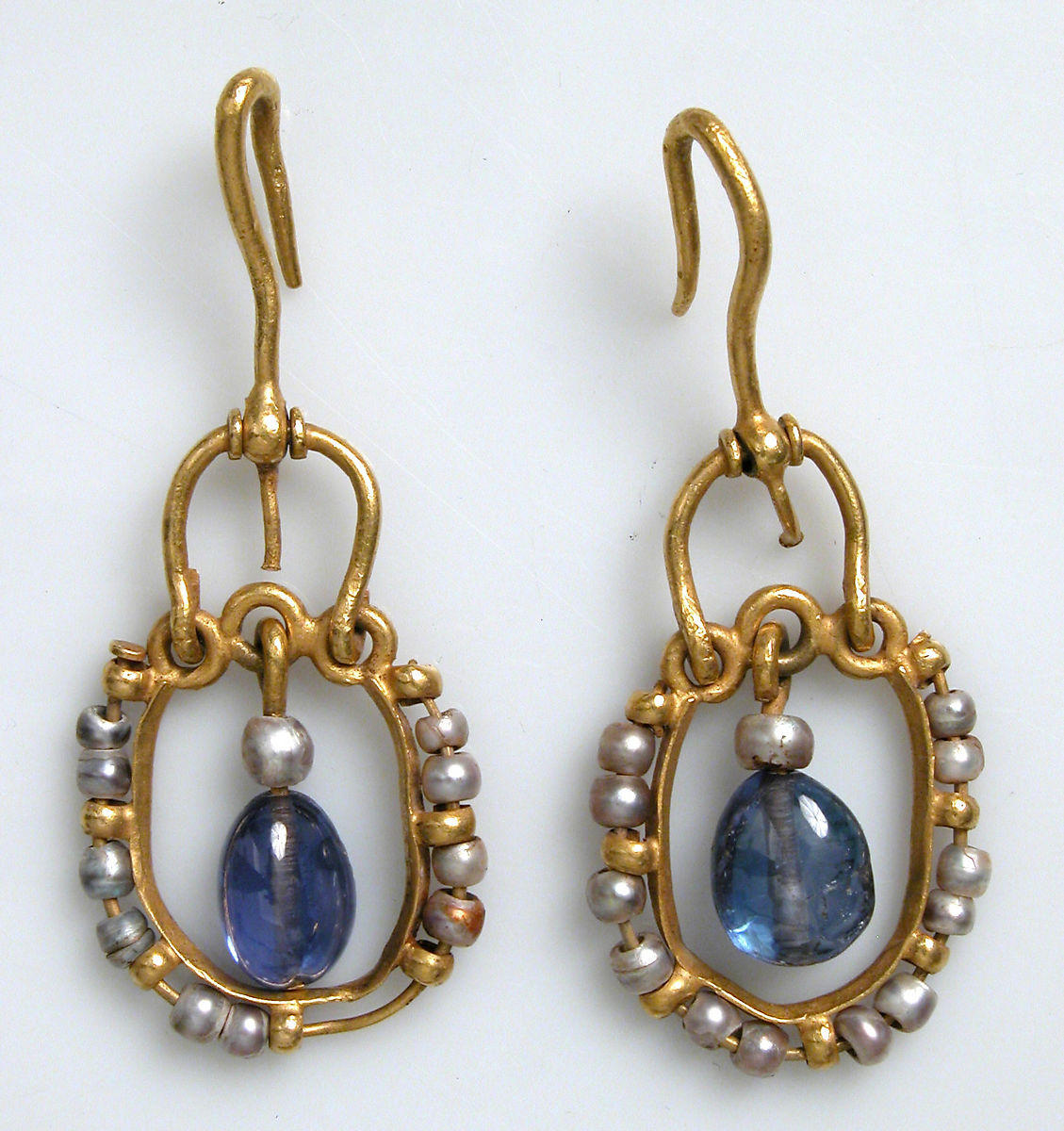
These Byzantine earrings are from 6th-7th century A.D. This pair of earrings show the common practices used to make jewelry of this time. They are made of gold and encrusted in pearls and sapphires.
https://www.metmuseum.org/toah/works-of-art/14.40.626-27/
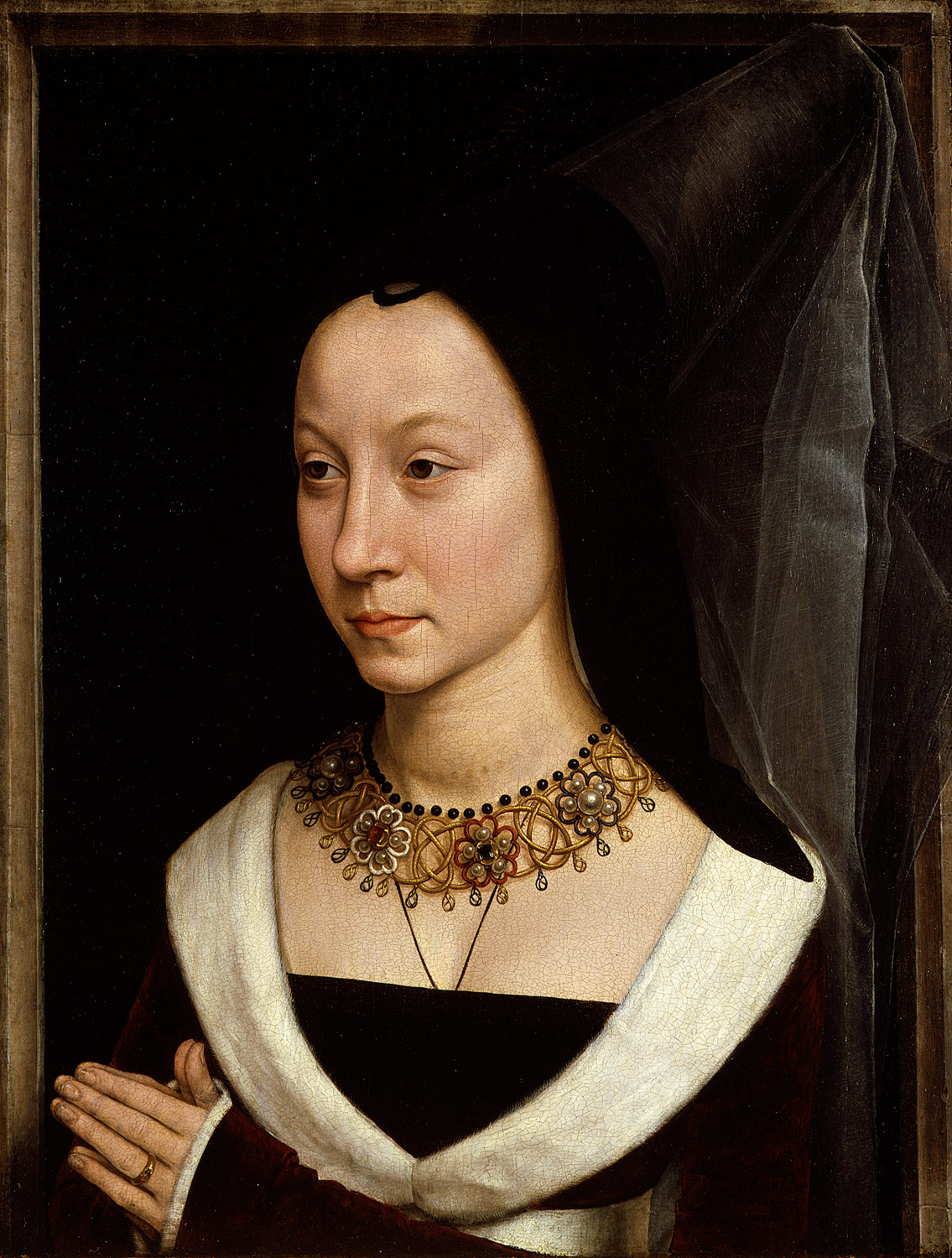
This painting of Maria Portinari from 1470 depicts her wearing a medieval headress called the hennin. The hennin is a headress in the shape of a cone with a veil completely covering the female’s hair.
https://www.wga.hu/frames-e.html?/html/zgothic/miniatur/1401-450/5flemish/03flemis.html
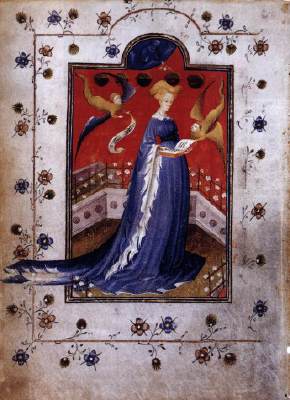
This manuscript of a woman is from the Book of Hours of Marie of Gueldern from 1415. The woman is depicted wearing a houppelande that is full bodied and the sleeves are very long and dagged.


JOURNAL #7 – ROMAN MORGUE

https://www.metmuseum.org/art/collection/search/253599
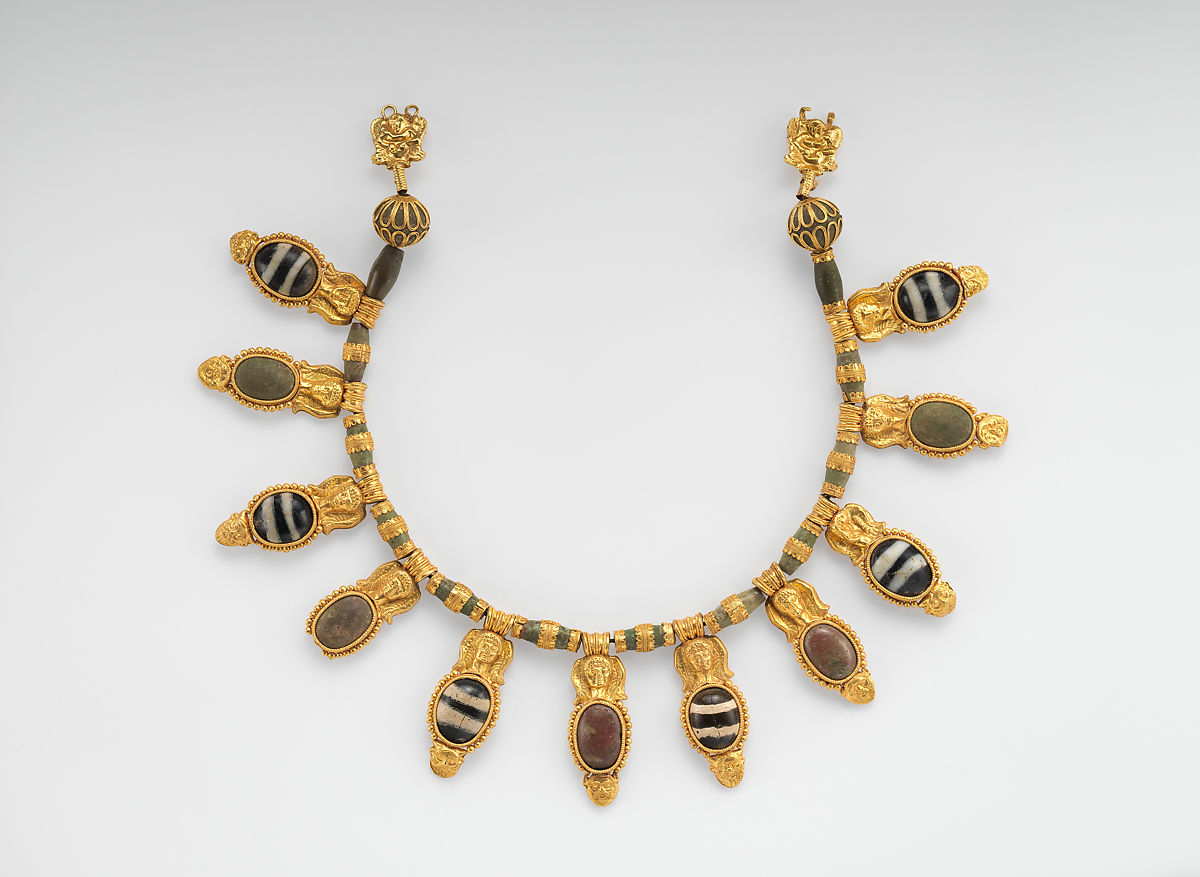
This Etruscan necklace is from the late 5th century B.C. It is made of gold and glass beads both commonly used by the Etruscans for their jewelry. It also shows the intricate granulation, filigree, and repousse.
https://www.metmuseum.org/art/collection/search/247105?&searchField=All&sortBy=Relevance&od=on&ft=roman+toga&offset=0&rpp=80&pos=3
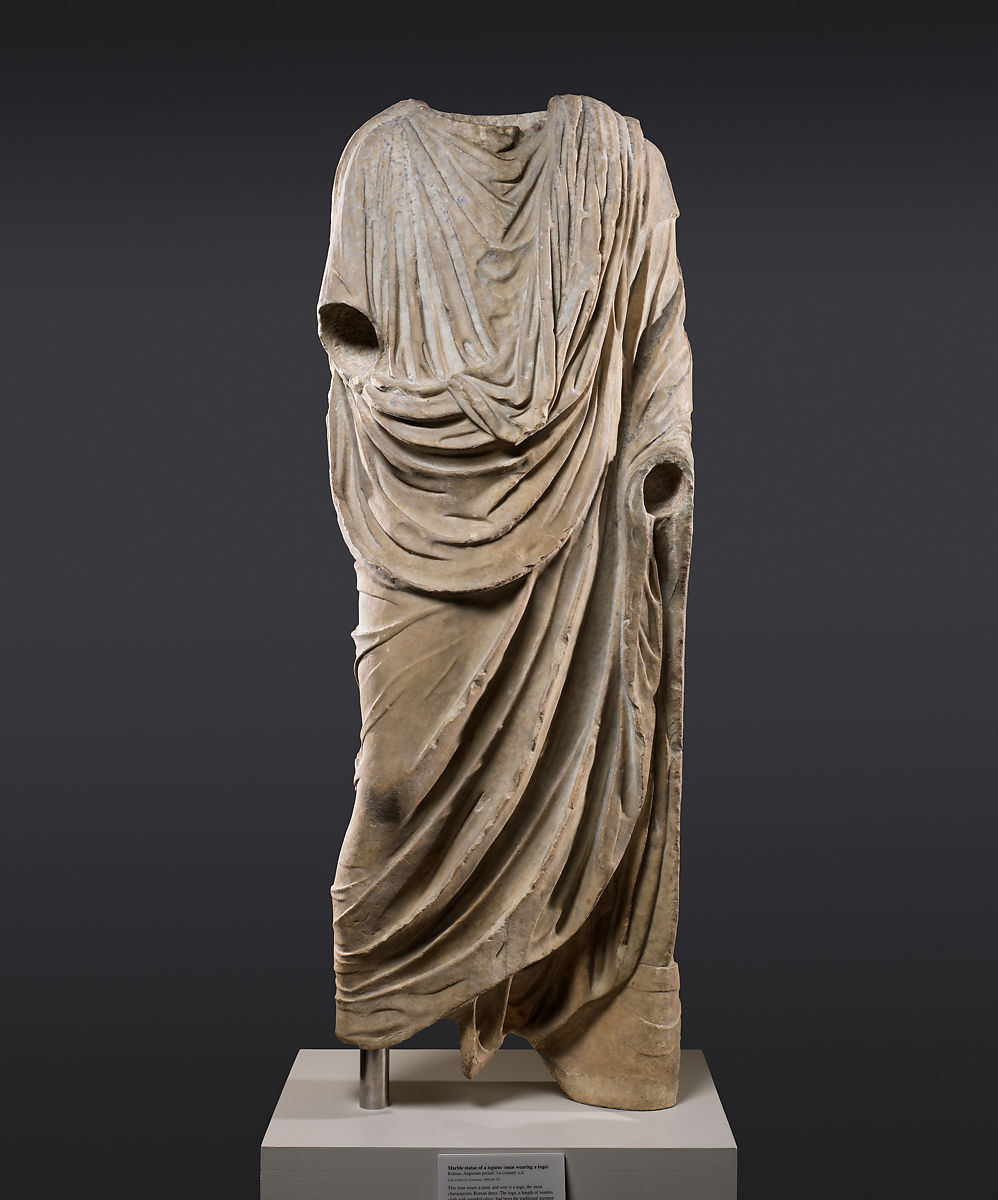
This Roman statue is from the 1st century A.D. and is made of marble. It depicts the toga which was a large piece of oval fabric made of wool that was worn by Roman men.
https://followinghadrian.com/2014/02/13/the-nervan-antonines-in-palazzo-massimo-alle-terme-rome/
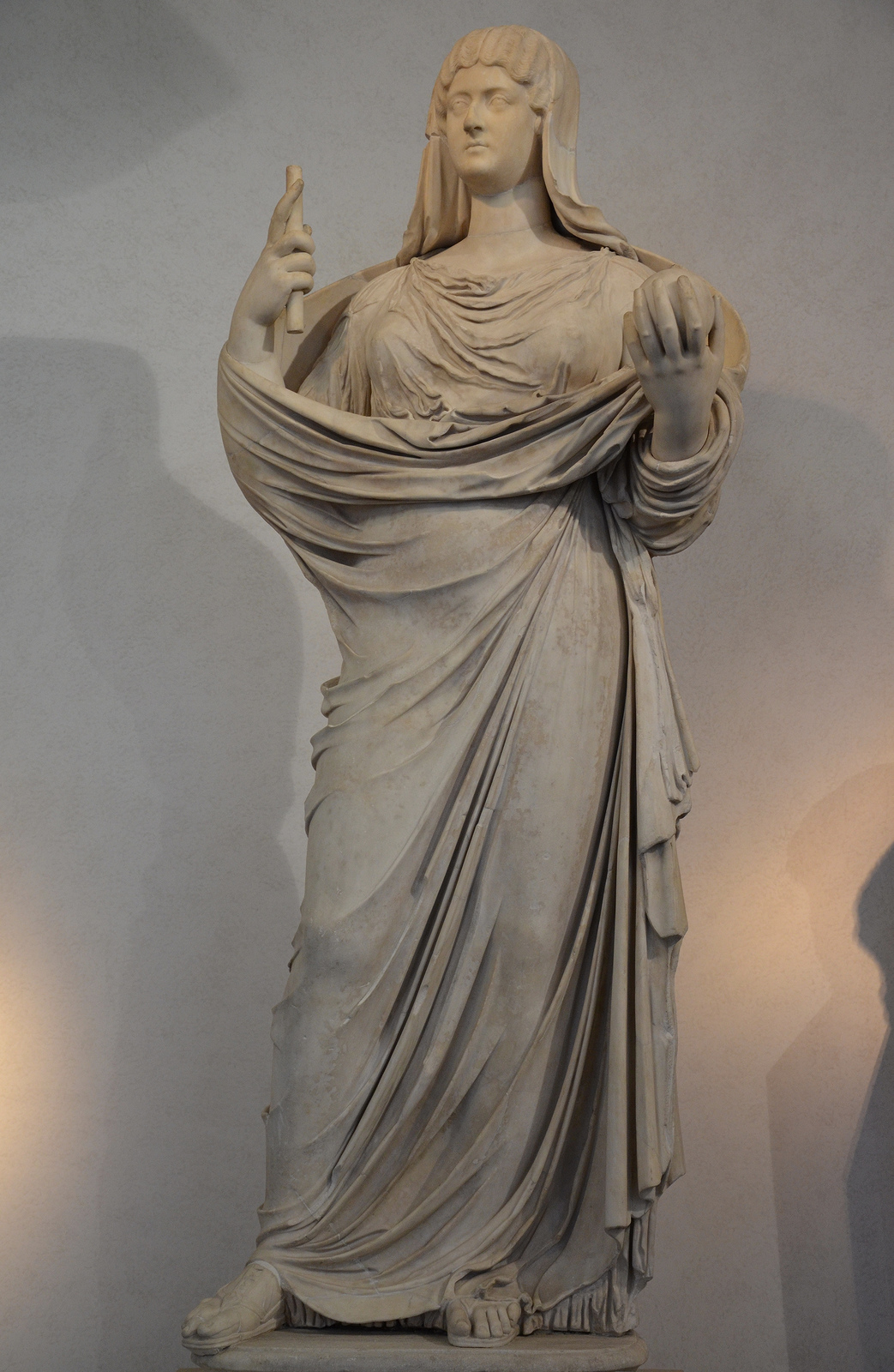
This is a statue of Faustina the Younger from 160 A.D. This statue depicts the Roman stola which is an ankle length garment with sleeves worn by women.

JOURNAL #5 – A PROMPT

Through the history of Ancient Greece the time period influences changes in the clothing whether they be small changes or big changes. The earlier Greek style included clothing that was stiff, decorative, and elaborate, but later Greek style changed too much more basic, simple, draped, and wrapped clothing. The Minoans were highly decorative people and that reflected on their culture is focused on trade and bureaucracy. The Mycenaean costume was similar to the Minoans however there were so differences like skirts, loincloths, and shin guards were worn by men for protection because the Mycenaeans were more focused on wars.

Not much is know about the Greeks clothing styles during the Dark Ages since most records were lost, the Greeks’ clothing was thought to be more simple. The Archaic Period focuses more on tunics and shawls and the women’s clothing eventually develops into more pleats and layers. During the Classical Period which is considered the peak of the Greeks clothing changed into more simple styles focusing on draping clothes over the body and looking more sophisticated. The Hellenistic Period ushered in influence from the Romans in Greek clothing and we begin to see the introduction of sleeves, cutting and sewing the fabric, and making hybrids of clothing. Each era reflects how the Greek were either facing influence or were at their peak in society.

JOURNAL #2 – A PROMPT

There are many differences between Egyptian and Mesopotamian style a major one being the material the clothes were made out of. The Egyptians used linen and the Mesopotamians used wool. The decoration of the material was very different as well the Mesopotamians decorated their fabrics with feathers, petals or tufts of fabric, while the Egyptians decorated their fabrics with pleats and beads.

The Egyptians jewelry was much more detailed with different gods and symbols on their jewelry and the Mesopotamians used more natural designs like leaves, grapes, and spirals. The styles of clothing were very different like the Mesopotamians’ clothes tufted out and included layers or shawls or skirts. Whereas the Egyptians wore clothes that were more simple like skirts that were more tightly wrapped. The differences could be just from the culture and geographical region the Egyptians were very clean and that’s why they favored linen over wool whereas the Mesopotamians mainly wore wool and liked layers of clothes.

JOURNAL #4 – A PROMPT

I think most people who do make fiber and fabrics by hand fall into two general categories they either work in couture fashion where everything is made by hand or they want to preserve traditions. I would love to learn the skill of actually turning fiber into a fabric. I was always taught by my mother how important it is to actually learn certain skills like sewing, but I don’t know it well enough to actually create clothes of my own. I only can make small repairs to clothing or like making a small pillow.

There are clear benefits of making think by hand like knowing exactly where your fabric was sourced and that you made it. But nowadays it’s clear that fast fashion makes clothes cheaper and more affordable because it’s made with machines or cheap labor. I think to make your own clothes also is more work and expensive.

JOURNAL #6 – GREEK MORGUE

https://www.metmuseum.org/toah/works-of-art/56.11.5-.6/
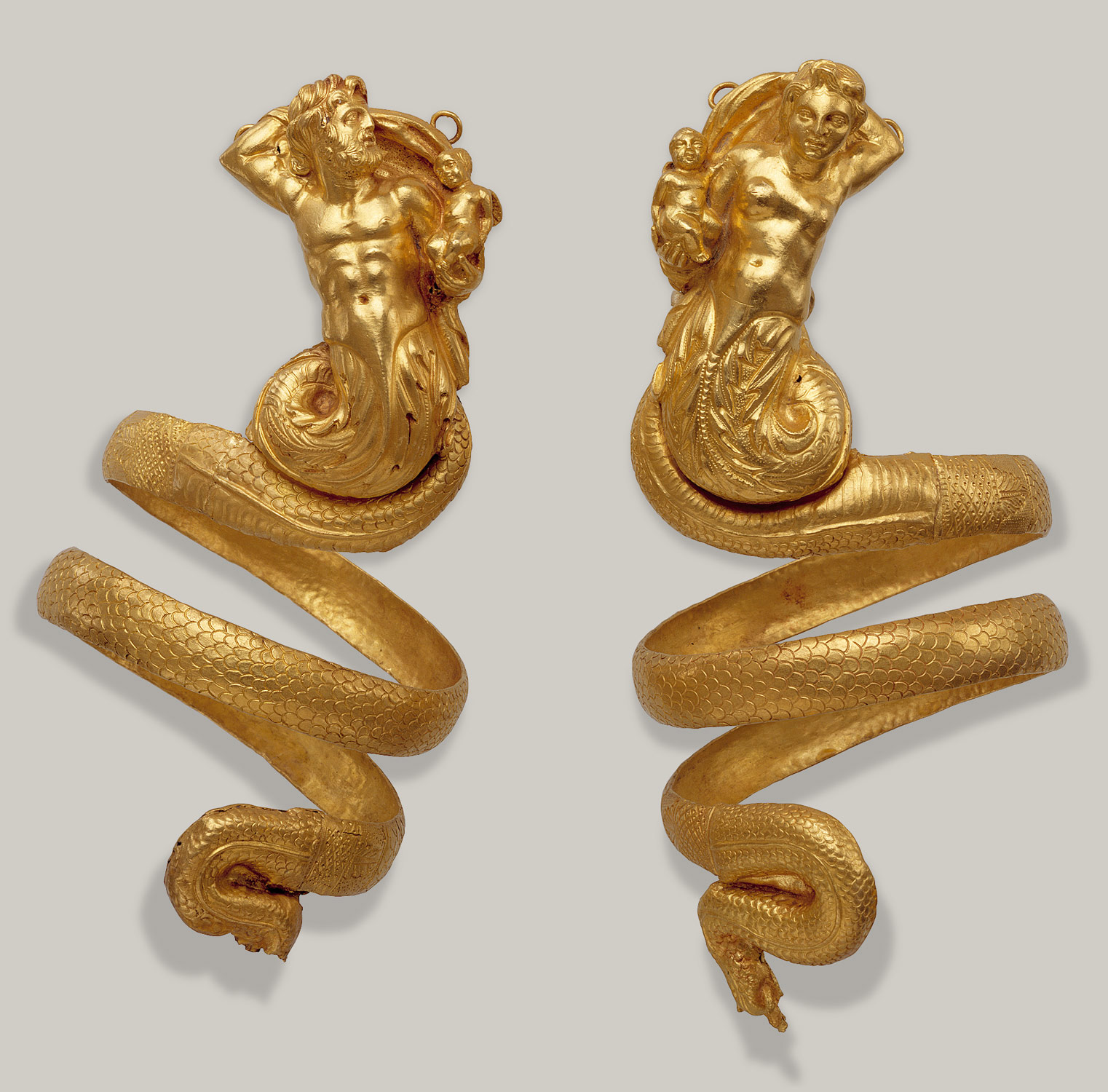
These armbands are from the Hellenistic Period of Greece. Jewelry at the time was made of gold and these armbands depict a snake with a Triton man and a woman each holding an Eros.
https://www.ancient-greece.org/images/museums/athens-aegean/pages/athens-mus-aegean004.html
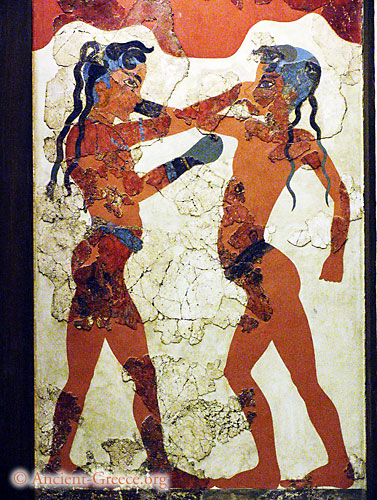
In this picture, it depicts two boys boxing and they are both wearing loincloths. This is from the Minoan Period where it was common for men to wear decorative loincloths.
https://www.ancient-greece.org/images/museums/athens-archaic/pages/athens-mus-archaic023.html
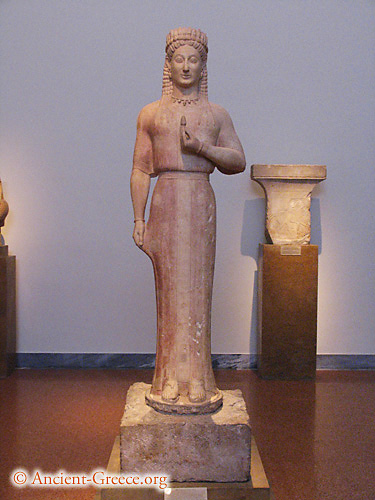
This statue from the Archaic Period depicts a woman wearing a chiton which is a large rectangular cloth wrapped around the body and fastened to one side.

JOURNAL #3 – EGYPTIAN/MESOPOTAMIAN MORGUE

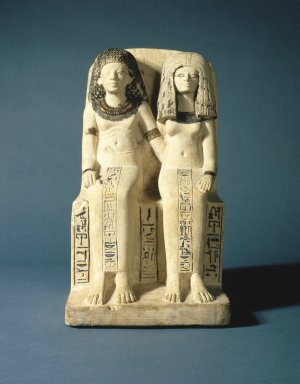
This statue from the New Kingdom depicts an egyptian husband and wife dressed in wigs and necklaces. The wigs in this statue are shown to be black and intricately braided. The woman’s wig in the statue was also longers than her husbands which was common practice.
https://www.brooklynmuseum.org/opencollection/objects/3454
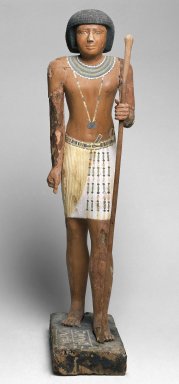
This wooden statue of Metjetji from the Old Kingdom show the traditional gala skirt wore by the pharaoh. The skirt is both pleated and beaded. There is also a sash/belt that is intricately decorated with beads and possibly gold.
https://www.brooklynmuseum.org/opencollection/objects/3545
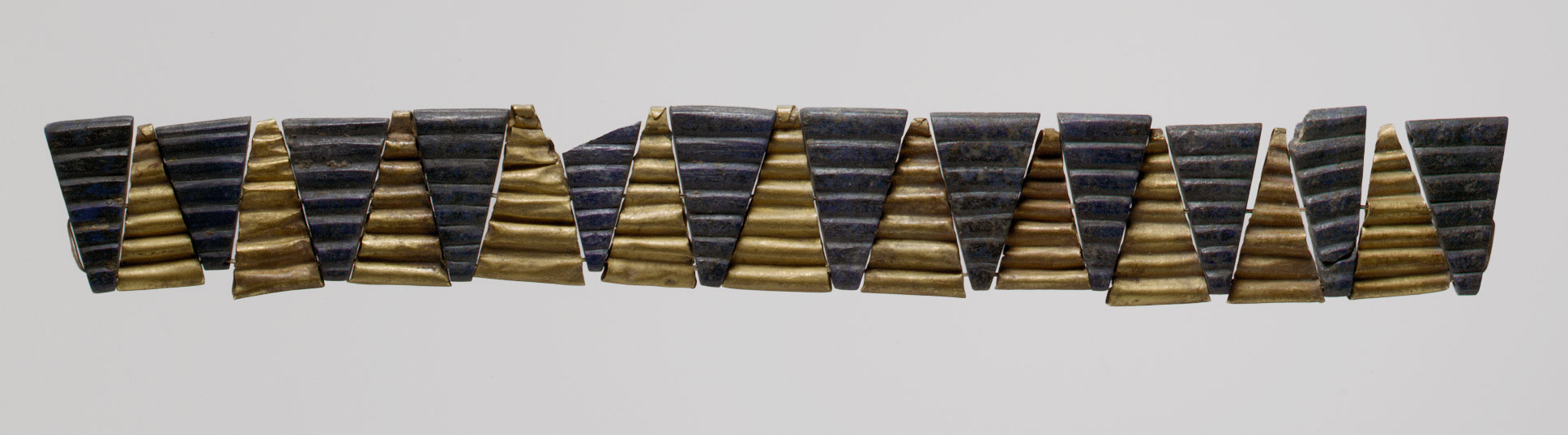
In Mesopotamian jewelry, common elements were gold, lapis lazuli, and carnelian. Jewelry was worn by both Mesopotamian women and men, but this specific piece was worn by a woman.
https://www.metmuseum.org/toah/works-of-art/33.35.47/

JOURNAL #1 – THE PROMPT

Many different styles of clothings are taboo in the “Midwest.” In my opinion there is a very large gap between the “younger generation” and “older people” on what is acceptable to wear. There are many different types of clothing that could convey the wrong message in the social groups I am a part of. Like certain types of clothes are only acceptable in certain situations. For example what you wear when you are going to a party versus what you would wear to a family dinner are two very different things for me. I wouldn’t wear any tight, short dresses that are very revealing around the campus or to graduation because to me showing a lot of skin just doesn’t convey the right message in those types of settings.

I do not believe that I have complete clothing autonomy especially as a young women during this time. In my family dynamic there are clothes that my parents hate me wearing. My mom’s biggest pet peeve is when I wear ripped jeans because she doesn’t see the point. Her biggest argument is that I’m showing too much skin or what is the point of buying something that is “damaged.” Some things that I was also always taught when dressing for Church when growing up was that my clothes should cover my shoulders and that any dress or skirt must be to my fingertips.

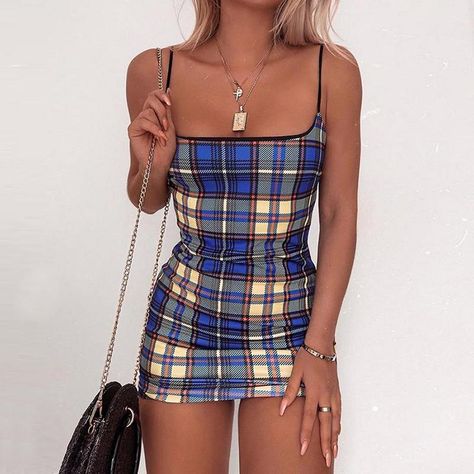
https://shodg.com/products/womens-fashion-sling-sleeveless-dress?variant=14970653212761
This is an outfit that I wouldn’t wear around campus because in my opinion it’s too tight and revealing.
https://i.pinimg.com/474x/36/72/12/367212382361c777439dfc23a371fdb5.jpg
This is an example of an outfit I wouldn’t wear to a family event because of the ripped jeans even though in reality it isn’t a revealing outfit.